Trans Voices Speak: Suggestions from Trans Educators about Working with Trans Students





In this episode I unpack Cayari et al.’s (2021) publication titled “Trans voices speak: Suggestions from trans educators about working with trans students,” which provides five suggestions from Trans educations on working with Trans students.
-
Welcome back to another episode of the
csk8 podcast my name is jared o'leary
each week of this podcast is either an
episode with a guest or multiple guests
or a solo episode where i unpack some
scholarship in relation to computer
science education in this week's
particular episode i am unpacking the
paper titled trans transvoices speak
colon suggestions from trans educators
about working with trans students this
paper was written by christopher cayari
felix a graham emma joy jampol and jared
o'leary that's me here's the abstract
for this particular paper quote the
social climate in the past decade has
seen a rise in visibility of trans
students in music classrooms and
ensembles leading to a need for
scholarship on how to serve this growing
population literature is being published
to address this topic however the lack
of scholarship by trans educators might
lead many music educators to conclusions
and practices that can be at the very
least discouraging to some trans
students and may disrupt their learning
experiences this article is written by
four educators who identify as part of
the trans community a gender fluid and
gender non-conforming individual a trans
man a trans woman and a gender
non-binary person to fill this gap in
the literature by illuminating some of
the pitfalls inherent in the lack of
discussions on and by trans people in
music education in addition this article
provides five actionable suggestions for
working with trans students one learn
about the trans community two inspect
your language and biases three represent
the diversity of trans people in your
teaching four promote healthy music
making and identity development and five
model allyship end quote if i were to
summarize this article into a single
sentence i'd say that this article
provides five suggestions from trans
educators on working with trans students
and in this case i'm using trans as the
umbrella term with a capital t to
indicate genders outside of the binary
of male and female now in the article it
specifically talks about music making
and learning in relation to trans
students however i'm going to relate
this to computer science education
because i think it's really important
and if you haven't listened to it yet
check out the episode two weeks ago
which unpacked a paper that is also
relevant to this particular topic i'll
include a link to that in the show notes
which you can find at jaredoleary.com
where you can also find hundreds if not
thousands of free resources related to
computer science education including a
link to boot up pd.org which is the
nonprofit that i create curriculum for
and collaborate on research projects
while you're on my website if you think
you'd be an excellent guest or can
recommend an excellent guest for the
show hit the contact me button and just
let me know always looking for more
people to interview to discuss things
relevant to computer science education
all right so in the very first sentence
of this paper we want to make it clear
that transgender broadly speaking refers
to
gender identities outside of male and
female labels which are typically
assigned at birth and as it mentioned in
the abstract each of the authors
identifies within the trans community so
chaori is gender non-conforming or
gender fluid graham is a trans man
jampol is a trans woman and then myself
i'm non-binary however we explicitly
state in the article that this is just
four perspectives within the trans
community there are many more gender
identities outside of the four mentioned
and there's many more different
perspectives even within those
identities so just because i'm
non-binary doesn't mean i have the same
perspectives on this as another
non-binary individual so it's important
when speaking about trans community that
we don't essentialize the community
itself
or gender identities within them one of
the reasons why i'm so public about
my gender identity being non-binary is i
want more people to understand that hey
you're not alone there are other people
out there who feel the same way or
similar way as you all right so in the
first main section after the
introduction it's titled trans students
as identities in music education and it
provides some very specific examples of
how discourse in education
can be gendered so for example if you
say good morning boys and girls or
welcome ladies and gentlemen that is
presenting a gender binary as opposed to
saying something like good morning
everyone or how you doing folks however
there's also some gender related
associations with instruments some of
this by design so for example i used to
teach drumline and the way that the
early drumline carriers or harnesses
however you want to call them were
designed was like a t-bar so you'd have
a metal bar going down the center of
your chest and it would form a t that
would go across your pecs or your
breasts and then go up and around your
shoulder this makes it so it's very
uncomfortable to have a drum if you have
breasts because it will dig into them on
the corners of the t-bar now they have
adjusted carriers in the last decade or
so and they made it so you can adjust
the carrier or harness to different body
shapes sizes etc so it's more inclusive
for different body types but i know one
of the people who helped contribute to
the original design of the t-bar they
specifically mentioned they didn't have
any drummers with breasts on the
drumline so they didn't take that into
consideration in the design now as i've
mentioned previously the way that you
set up your classroom or the types of
identities that are represented in your
curriculum or the kinds of projects that
you can create all of these can have
some gendered associations with them
whether it's overt or more subtle so
it's important for us to think about not
only what we say to students but also
how gender is represented or embedded
within the things that they engage in in
the classroom as an example that came
out of my dissertation work the nintendo
game boy is gendered in the name itself
it didn't need to be called the game boy
or game girl in fact the original name
for the game boy was called the dot
matrix game that was at least the
internal name that they used before they
marketed it as the game boy alright so
the next section of the paper dives into
the five actionable things that were
mentioned in the abstract so this is the
bulk of the paper itself rather than
talking about the research behind
transgender communities and transgender
individuals we wanted to just really
focus on here are some actionable things
that you can do whether you're a cis
individual or a trans individual when
working with trans students so the first
one is learn about the trans community
and i'm going to read the first couple
of sentences because i think it's
important to point this out learning
about the context in which students live
can help teachers know the history
excitements pressures and challenges of
their students as communities however
young trans students may feel that
explaining their gender gender identity
and gender expression to a teacher would
be exciting terrifying honorable mundane
or more likely a combination of many
emotions accordingly although trans
people are experts on their own lives
and their own gender expressions they
are not obligated to confide in or teach
educators about their gender identities
expressions or understandings end quote
that's from page three now this is
extremely important to note that
although trans individuals are their own
experts on themselves there is no
obligation for them to talk about their
identity to anyone we want to make sure
that we do not put trans individuals on
display or make them feel as though they
need to defend or explain themselves to
anyone so if you want to learn about the
trans community which i highly recommend
doing feel free to search online or ask
people like myself who are willing to
talk about it but just because you
happen to know a trans individual
doesn't mean you should go up to them
and ask them hey so what's it like being
trans insert any other demographic there
and you'd see pretty quickly that's
pretty problematic now when you are
actually going out to learn more about
the trans community just make sure that
you're trying to get a diverse
representation again there are many more
gender identities outside of the binary
than what were mentioned in the abstract
from the authors there are many
different perspectives and things to
learn about and i say that for myself as
well i'm still learning about the trans
community even though i'm a member of it
i still have a lot to learn so if you
happen to be a cis individual and you're
listening to this and you feel like you
have a lot to learn so do i it's okay in
the next section up here the next
actionable suggestion that we have for
you is to inspect your language and
biases so i mentioned this a little bit
earlier so for example instead of saying
good morning boys and girls you can just
say good morning however one thing that
we mention in here is that terminology
related to the trans community trans
identities even broadly speaking the
queer community the lgbtqia plus
community those terms change so one of
the examples that we give is that
previously the terms transsexual and
female to male or male to female were
previously acceptable terms to use
however these different expressions or
terms or many individuals are now
considered problematic so in general
some people prefer trans-feminine or
trans masculine as opposed to those
other terms however some people within
the trans community still identify as
transsexual and do not feel that the
term is derogatory while others do so
just know there's no consensus on the
terminology with it so if you get it
wrong i get it wrong too sometimes and
really whether or not it's viewed as
wrong kind of depends on who you're
talking to what you can do however is
ask students if they feel comfortable
sharing what terms they prefer or what
pronouns they prefer and asking for
feedback if you happen to use any terms
that come across as
offensive unintentionally if they do
happen to point that out listen to them
thank them for giving you that feedback
and then just move on mistakes happen
the goal is to not make a big deal out
of mistakes like that but to acknowledge
mistakes and just simply learn from them
and then progress forward one thing to
note about the language in relation to
speaking with students is sometimes
students will ask for preferred pronouns
in front of you or in front of the class
that might be different than what they
use at home and this might relate to
whether or not they are out to their
family as being within the trans
community so it's important to consider
which pronouns are preferred in what
context so it might help to clarify with
certain students and you can do this
anonymously by like having them fill out
a form at the beginning of the year and
it just says like their name on their
roster the name they like to be called
and then any pronouns they'd like to be
called and you can clarify which
pronouns should i use with you
individually with the class or at home
and if you're listening to that and you
go okay that sounds like too much to
remember again yes you might make
mistakes doing that but this relates to
the gender dysphoria that can happen
when you use the wrong pronouns with
somebody so it can really help with
mental health and just making it so that
students feel safer and feel like they
can actually come to school to learn so
even though it's some effort on our end
from the educator's end it's well worth
it in terms of mental health and whatnot
being able to help kids if you do have
that form filled out and you have
questions you can ask to meet with a
student one-on-one and encourage them to
bring like a trusted friend to help with
that conversation just to make sure they
don't feel like they have to go in alone
one last thing that we mention in this
particular section on the language
related to trans community is that there
a lot of the umbrella terms kind of lump
together things like the lgbtqi plus
refers to both gender and sexuality so
that can be confusing at times so in
general if possible rather than using
the umbrella term maybe refer
specifically to a particular gender
identity or expression or sexuality or
whatever that you're referring to rather
than just saying the umbrella term so
the third actionable suggestion that we
have is to represent the diversity of
trans people in your teaching now we
mentioned again that the trans community
is very diverse for the number of gender
identities or expressions that exist
within the umbrella so it's good to have
representation in your class that is
equally diverse when it comes to gender
and you can do this by sharing video
games or programs or apps or whatever
created by
trans individuals or highlighting trans
individuals or talk about cs in the
trans community whatever there's many
different options for you here just
making sure that you do not tokenize
like here's what a trans cs educator
looks like or a trans cs professional
looks like but i also am fully aware of
how difficult that can sometimes be
especially if you're engaging in like
instructional design or something like
we create some different media for our
instructional coaches at boot up and in
that media it's got like animated
characters who are like in a classroom
like teaching learning etc engaging in
different projects and so the animations
embody the message that we're trying to
get across through those videos now in
those videos we do have a range of
different skin colors and gender
expressions that are in there when it
comes to the gender expression side of
things we might have different facial
hair different clothing different hair
types or lack of like myself etc these
are all different ways that you can kind
of represent diversity across gender
through the media that you share and if
you're not creating media or things like
that you can just talk about it or find
others who do and highlight them right
so the fourth actionable suggestion that
we give is on promoting healthy music
making and identity development so the
healthy music-making side of things
often refers to like vocal range and
things like that so i'm not going to
talk about that in relation to computer
science education just because it's very
different unless you listen to the april
fool's episode where i mentioned having
puppets sing in falsetto made it so that
kindergartners learned c plus which if
you haven't listened to that episode it
makes me laugh even just thinking about
it so i highly recommend taking a look
at it i definitely fooled some people
and there's a link to it in the show
notes if you haven't listened to it the
episode is titled i can't read but i can
code colon using puppets to teach c plus
plus to pre-readers colon a
quasi-experimental critical
phenomenological mixed method case study
which having two colons in the title
just makes me laugh anyways tangent over
alright so zooming back out the main
portion of this section is we wanted to
make it clear like hey the things that
you do in the classroom can have an
impact on mental and even physical
health so it's important for
educators to consider how they can
support trans individuals in those areas
now one of the sections in here that we
talk about is a discussion around
gendered ensembles so if you've seen
some ensembles in k-12 schools they'll
sometimes be like a men's choir or a
girls choir same thing with instruments
etc now there's a lot of debate about
whether or not those are helpful or not
so this directly relates to
some of the movements related to gender
like having girls who code club after
school on one hand this provides
potentially a safe space for girls to
attend but on the other hand it can be
done in a way that is not equitable if
it is preventing some gender identities
from attending and it is the only cs
offering in that school now i'm going to
kind of leave that debate open i won't
necessarily share my
perspectives on that right now but i
will say that for some having that space
where they can go and feel safe
expressing themselves and their gender
identity in relation to computer science
education for some that is very
beneficial and then for others that
might cause some harm for example if
it's the girls who code club and the
person is actually a trans man but they
want to
participate with their friends in the
class this might cause some gender
dysphoria while for others it might
cause gender euphoria so something to
consider but what i'd recommend is
having many different options many
different ways to participate in cs if
that's available in your school
otherwise just making it so that
everybody and anyone can join and again
i say that with having interviewed
multiple people who have specifically
focused on increasing participation
among women in cs i think it's very
noble that they want to do that i think
it's wonderful but it's just something
to consider about how this relates to
your particular class and the kids that
you work with now the last actionable
thing that we suggest in here is to
model allyship and so on page six it
says quote we conceive of allies as
members of the dominant social group who
support and advocate for the oppressed
transgender communities end quote one of
the things that we mention in here is
that there's been a push for anti-racist
approaches rather than just saying that
you are not racist and the same thing
can be said about anti-transphobic
anti-homophobic etc so it's not enough
to just be silent about this or for you
to as an individual not to be
transphobic but we need to actively
engage in anti-transphobic practices to
help out the trans community whether
that be through emotional support or
simply cultivating a space where the
kids that you work with can be free to
express themselves how they would like
to in their classroom there are many
different ways that you can model
allyship so i'm going to read the last
paragraph in this particular section on
modeling analyze ship and i'm going to
change the word slightly so that it says
like computer science teachers or
computer science educators instead of
music teachers so this is from page six
quote computer science educators can
create safer spaces and confront
preconceived notions ignorance and
microaggressions by communicating
classroom expectations and procedures
that challenge transphobia and
oppression when a student does something
that can hurt a trans classmate teachers
should address the action explain why it
is not acceptable and move on some
conversations may be uncomfortable yet
they can be highly constructive if
people are open-minded and teachers
insist that students identities are not
attacked in contrast zero tolerance
policies that shut down dialogues may
not be conducive to learning acceptable
behaviors and may reinforce an
authoritarian environment rather than
one that promotes growth understanding
and acceptance by insisting that
students replace unacceptable language
and actions with uplifting words and
deeds computer science educators can
serve as allies in respecting trans
people's identities bodies and lives end
quote and just a slight modification
again to make it relevant to cs
educators now one other thing that i
want to point out is that there are two
tables in here that might be useful for
you so the first table is on definitions
of key terms so it unpacks what is
gender non-conforming gender fluid
gender queer non-binary trans feminine
and trans masculine mean if those terms
are unfamiliar to you that table will
hopefully help out and then the second
table is on some readings and resources
that can assist you with working with
trans students so the first section is
on trans identities in history the
second section is on trans identities in
education the third one which might not
be as relevant is on trans identities in
music and then the fourth one is on
online resources for trans people and
allies so i highly recommend checking
out table two if you're interested in
reading more of those which is our first
suggestion about learning more about the
trans community wink alright so at the
end of each one of these unpacking
scholarship episodes i like to share
some of my lingering questions and
thoughts and these episodes where i
actually unpack a paper that i helped
write or wrote on my own is a little
awkward because like i was part of the
writing process so i don't really have
many questions so i guess a question
that i may ask is what questions do you
have for the authors whether it be just
for myself or any of the other three
individuals that i was fortunate enough
to write this paper with also what
suggestions are missing well we did
spend a significant portion of time
thinking through different suggestions
that would be actionable and helpful for
educators especially cis educators maybe
we missed something whether you have a
question for me or you have a suggestion
feel free to reach out using the contact
me button on my website at jaredliry.com
or just simply let me know what you
think if you enjoyed this particular
episode there are many other episodes
that talk about gender in relation to
computer science education i'll include
a link to some of those in the show
notes i'd especially recommend checking
out the paper by judith butler which is
on gender as performance or
performativity it is the most listened
to episode out of all of them in the
next set of episodes most listened to
are actually paulo freddy's book
pedagogy the oppressed all four of those
chapters so i highly recommend checking
those out too but if you enjoy these
episodes please consider sharing with
somebody else last time i checked i have
a 4.9 out of 5 on
apple podcasts for the rating that's
awesome thank you for those of you who
have rated it and thank you for those of
you who have shared this with others i
really appreciate it just trying to get
these free resources out to people to
help out the field stay tuned next week
for another interview and the following
week for another unpacking scholarship
episode until then i hope you're all
staying safe and are having a wonderful
week
Article
Cayari, C., Graham, F. A., Jampole, E. J., & O'Leary, J. (2021). Trans voices speak: Suggestions from trans educators about working with trans students. Music Educators Journal, 108(1), 50-56.
Abstract
“The social climate in the past decade has seen a rise in visibility of trans students in music classrooms and ensembles, leading to a need for scholarship on how to serve this growing population. Literature is being published to address this topic; however, the lack of scholarship by trans educators might lead many music educators to conclusions and practices that can be, at the very least, discouraging to some trans students and may disrupt their learning experiences. This article was written by four educators who identify as part of the trans community (a genderfluid and gender-nonconforming individual, a trans man, a trans woman, and a gender-nonbinary person) to fill this gap in the literature by illuminating some of the pitfalls inherent in the lack of discussion on (and by) trans people in music education. In addition, this article provides five actionable suggestions for working with trans students: (1) Learn about the trans community, (2) inspect your language and biases, (3) represent the diversity of trans people in your teaching, (4) promote healthy music-making and identity development, and (5) model allyship.”
Author Keywords
Allyship, identity development, language bias, music teaching, transgender, trans students
My One Sentence Summary
This article provides five suggestions from Trans educations on working with Trans students.
Some Of My Lingering Questions/Thoughts
What questions do you have for the authors?
What suggestions are we missing?
Resources/Links Relevant to This Episode
Other podcast episodes that were mentioned or are relevant to this episode
AI4ALL, Curriculum Development, and Gender Discourse with Sarah Judd
In this interview with Sarah Judd, we discuss what Sarah learned both in the classroom and as a CS curriculum writer, the curriculum Sarah continues to develop for AI4ALL, advice and philosophies that can guide facilitating a class and designing curriculum, some of our concerns with discourse on gender in CS, my recommended approach to sustainable professional development, and much more.
Broadening Gender in Computing for Transgender and Nonbinary Learners
In this episode I unpack Menier, Zarch, and Sexton’s (2021) publication titled “Broadening gender in computing for transgender and nonbinary learners,” which is a position paper problematizes the current lack of trans and nonbinary individuals in discourse around gender in CS education.
Examining Coding Skills of Five-year-old Children
In this episode I unpack Metin, Basaran, and Kalyenci’s (2023) publication titled “Examining coding skills of five-year-old children,” which investigates whether gender, parent education, or socioeconomic status has an impact on coding abilities of five-year-olds.
In this episode I unpack Tsan, Boyer, and Lynch’s (2016) publication titled “How early does the CS gender gap emerge? A study of collaborative problem solving in 5th grade computer science,” which investigates the potential impact of gendered groups on the quality of completed Scratch projects in an in-school computer science class for 5th grade students.
How to Get Started with Computer Science Education
In this episode I provide a framework for how districts and educators can get started with computer science education for free.
[This episode was a friendly April Fools prank about a fake paper I created] In this bonus episode I unpack Rollerstein’s (2021) publication titled “‘I can't read, but I can code’: Using puppets to teach C++ to pre-readers: A quasi-experimental critical phenomenological mixed methods case study” which investigated the use of puppets to teach C++ to pre-readers in pre-K CS classes.
INTech Camp for Girls with Khalia Braswell
In this interview with Khalia Braswell, we discuss the lack of representation in education, improving equity and inclusion in CS education, what Khalia has learned with INTech Camp for Girls, how Khalia iterates on her own abilities, the importance of self care, our thoughts on the future of CS education, and much more.
Pedagogy of the Oppressed
This episode is the start of a miniseries that unpacks Paulo Freire’s (1970) book “Pedagogy of the Oppressed.” This particular episode unpacks chapter 1, which discusses how oppressors maintain control over the oppressed. Following unpacking scholarship episodes discuss what this looks like in education and how educators can adopt a “pedagogy of the oppressed” to break cycles of oppression.
This episode is episode two of a miniseries that unpacks Paulo Freire’s (1970) book “Pedagogy of the Oppressed.” This particular episode unpacks chapter 2, which discusses the “banking” approach to education that assumes students are repositories of information, and then proposes a liberatory approach to education that focuses on posing problems that students and teachers collaboratively solve. If you haven’t listened to the discussion on the first chapter, click here.
This episode is episode three of a miniseries that unpacks Paulo Freire’s (1970) book “Pedagogy of the Oppressed.” This particular episode unpacks chapter 3, which discusses the importance of dialogue when engaging in liberatory practices. This episode builds off the previous unpacking scholarship episodes on chapter one and chapter two, so make sure you listen to those episodes before jumping in here.
This episode is the final episode of a miniseries that unpacks Paulo Freire’s (1970) book “Pedagogy of the Oppressed.” This particular episode unpacks chapter 4, which synthesizes the concepts introduced in the previous chapters and discusses the difference between anti-dialogical and dialogical practices in education (and at large). This episode builds off the previous unpacking scholarship episodes on chapter one, chapter two, and chapter three so make sure you listen to those episodes before jumping in here.
Performative Acts and Gender Constitution: An Essay in Phenomenology and Feminist Theory
In this episode I unpack Butler’s (1988) seminal publication titled “Performative acts and gender constitution: An essay in phenomenology and feminist theory,” which unpacks the notion that gender is a performative act that is socially and historically constructed.
Promoting Equity and Activism in Computer Science Education with Kim Wilkens
In this interview with Kim Wilkens, we discuss embracing failure, encouraging activism and community impact through CS and technology, supporting marginalized gender identities in CS, and much more.
In this episode I unpack Mellström’s (2009) publication titled “The intersection of gender, race and cultural boundaries, or why is computer science in Malaysia dominated by women?,” which “points to a western bias of gender and technology studies, and argues for cross-cultural work and intersectional understandings including race, class, age and sexuality” (p. 885).
Trans Voices Speak: Suggestions from Trans Educators about Working with Trans Students
In this episode I unpack Cayari et al.’s (2021) publication titled “Trans voices speak: Suggestions from trans educators about working with trans students,” which provides five suggestions from Trans educations on working with Trans students.
Find other CS educators and resources by using the #CSK8 hashtag on Twitter
Free CS Resources I Have Created
More Content


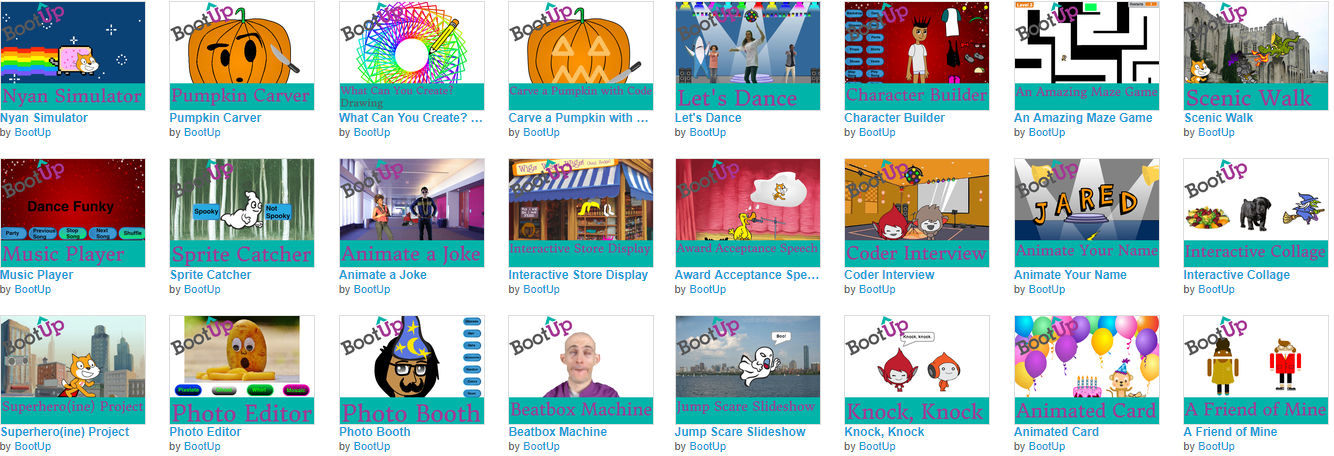
In this episode I provide a framework for how districts and educators can get started with computer science education for free.